


Choosing the Right Adult Diaper for Comfort and Fit
Selecting the appropriate adult diaper is the foundation of effective incontinence care. Adult diapers come in various designs, including briefs, pull-ups, and reusable options, each offering different levels of absorbency and fit. Choosing a diaper that matches the user’s body shape and mobility ensures maximum comfort and minimizes leakage risks. Materials such as breathable fabrics help reduce moisture buildup, while flexible waistbands and adjustable tabs improve fit and ease of movement. Caregivers should also consider absorbency levels based on whether the user needs daytime or overnight protection, as well as any skin sensitivities.

Establishing a Daily Changing Routine
Consistency in changing adult diapers is critical for both hygiene and comfort. Developing a daily routine helps prevent skin irritation and urinary tract infections while maintaining a sense of normalcy for the individual. Caregivers should monitor the frequency of urination and bowel movements to adjust changing schedules as needed. Setting reminders for morning, afternoon, and evening changes, or after meals and fluid intake, can ensure timely diaper replacement. Additionally, having a designated, private area for changing helps streamline the process and supports the dignity of the user.
Preventing Skin Irritation and Rashes
Skin protection is a top priority for daily adult diaper use. Prolonged exposure to moisture and friction can lead to diaper rash, pressure sores, or other skin conditions. Caregivers should clean the skin gently with fragrance-free wipes or warm water and mild soap, ensuring the area is completely dry before applying a new diaper. Using barrier creams or protective ointments can provide an extra layer of defense against irritation. Selecting breathable diapers with moisture-wicking properties further reduces the risk of skin issues. Regular skin checks are essential to identify redness or discomfort early and to adjust care practices accordingly.
Discreet Disposal Methods for Caregivers
Proper disposal of used adult diapers is essential for hygiene and maintaining a clean environment. Caregivers can use sealable disposal bags or diaper pails with odor control to manage waste discreetly. In settings with multiple caregivers or family members, labeling disposal areas and ensuring supplies are accessible can streamline the process. Minimizing exposure to used diapers prevents cross-contamination and contributes to a safer, more sanitary living space. Thoughtful disposal practices also help reduce stress for both the caregiver and the individual receiving care.
Encouraging Dignity and Respect While Assisting
Maintaining the dignity of individuals using adult diapers is a crucial aspect of caregiving. Respectful communication, privacy during diaper changes, and gentle handling foster a sense of self-worth and comfort. Caregivers should encourage participation from the individual when possible, such as assisting with positioning or selecting the type of diaper. Offering reassurance and understanding can alleviate embarrassment or anxiety related to incontinence. Emotional support, combined with practical care techniques, ensures that daily adult diaper use is managed with compassion and professionalism.
Effective daily adult diaper care combines proper product selection, consistent routines, skin protection, hygienic disposal, and respect for the individual’s dignity. Caregivers who follow these strategies can enhance comfort, prevent complications, and maintain a positive quality of life for those with incontinence. By integrating these best practices, adult diaper management becomes both practical and compassionate.
Recommendation
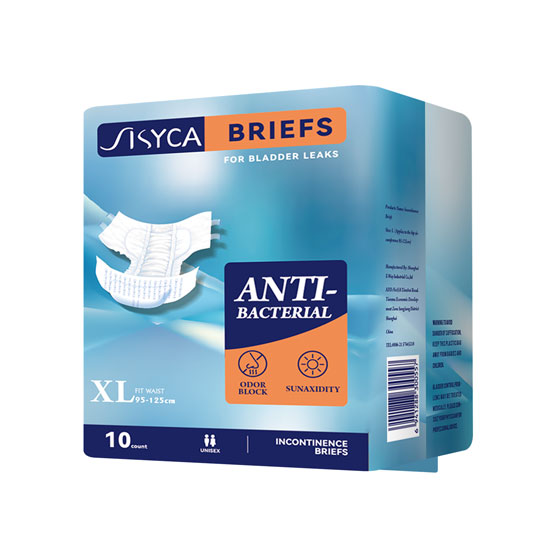
E-Way Adult Diaper Pants
Specialized undergarments designed to manage urinary or fecal incontinence in adults.
They provide discreet protection, enhance comfort, and improve quality of life for individuals facing mobility challenges, post-surgery recovery, or age-related incontinence.


